

The Providence College Humanities Forum Fall 2026

Fall 2026 Humanities Forum Schedule
The Humanities Forum is an opportunity for members of the Providence College community to engage regularly in intellectual life outside of the classroom, deepen their appreciation for the humanities, and explore diverse perspectives from on and off campus. All are welcome.
If you do not have a Providence College email address, you may request to receive our regular email announcements by sending an email to pbelcher@providence.edu.
September 11, 2026
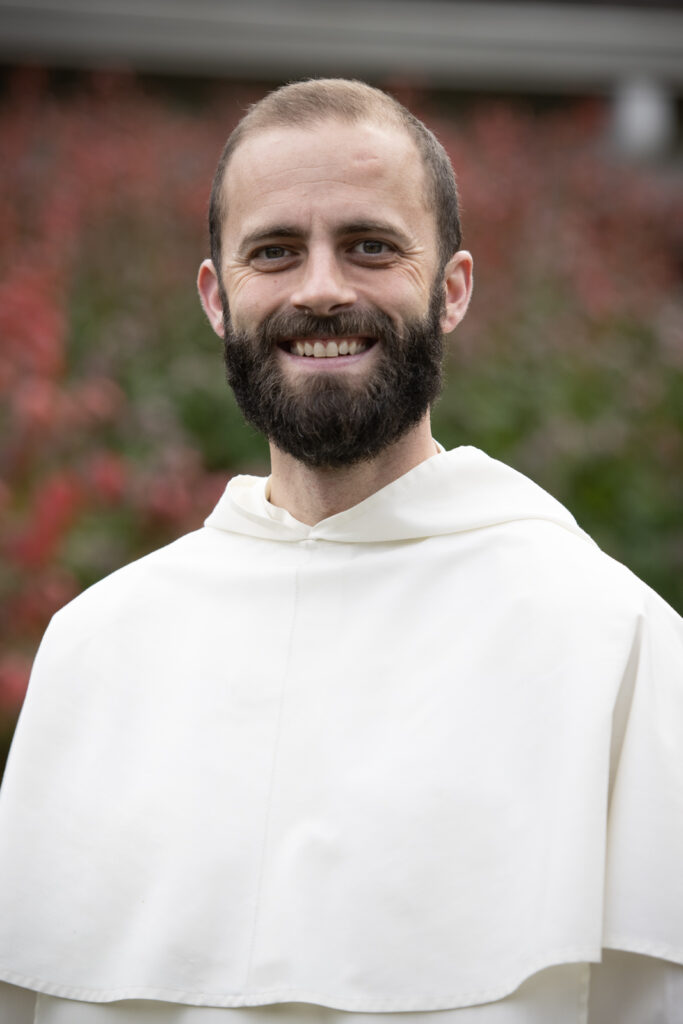
Is it a Sin to Dominate Conversation?
Fr. Gregory Pine, O.P.
Assistant Professor of Dogmatic and Moral Theology at the Dominican House of Studies
Friday, September 11 at 4 p.m. Ruane Center for the Humanities 105
Ever been in a conversation where someone talks way too much. Or way too little? Is it just a matter of different conversational styles? Or is it something we’re responsible for? Join Fr. Gregory Pine to learn about the purpose of speech, the goal of conversation, and how to avoid boring, blathering, or otherwise biffing it.
Read more about this event.
Fr. Gregory Pine, O.P. is an Assistant Professor of Dogmatic and Moral Theology at the Dominican House of Studies and the Assistant Director of the Thomistic Institute. He was ordained a priest in 2016 and holds a doctorate from the University of Fribourg (Switzerland). He is the author of several books including Your Eucharistic Identity: A Sacramental Guide to the Fullness of Life, Training the Tongue and Growing Beyond Sins of Speech, and Justice: Judge Rightly, Give Freely. He is a regular contributor to several podcasts including Godsplaining and Catholic Classics.
September 18, 2026
Constitution Day Lecture
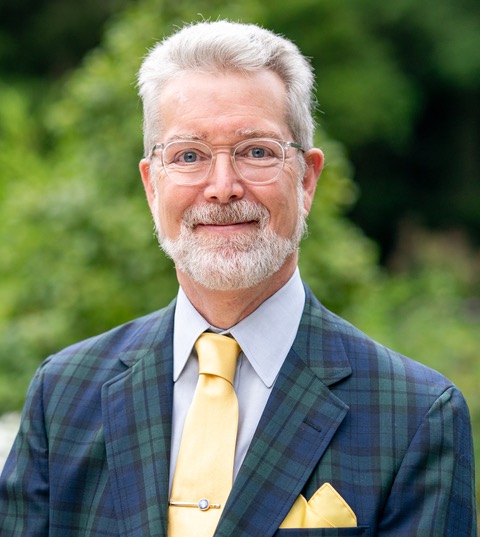
The Use and Abuse of the Declaration in the Name of the Constitution
Matthew Franck
Senior Fellow at the Witherspoon Institute
Friday, September 18 at 3:30 p.m.
Ruane Center for the Humanities 105
We celebrate the birth of our country on July 4, 1776, the date of the Declaration of Independence. But now Constitution Day has come around. What is the relationship between these two documents? How should we interpret the Constitution, or try to advance its principles, in light of the Declaration?And how has this been done well and badly in our history, by politicians, judges, and others?
Read more about this event.
Matthew J. Franck is a senior fellow at the Witherspoon Institute, and a senior contributing editor of Public Discourse. He is also a visiting lecturer in Politics at Princeton University and professor emeritus of political science at Radford University, where he chaired the department and taught courses in political philosophy, constitutional law, and American politics. Franck has written, edited, or contributed to books published by the University Press of Kansas, Transaction Books, Lexington Books, Oxford University Press, and Cambridge University Press, and has published articles and reviews in American Political Thought, the Review of Politics, the Journal of Church and State, the Catholic Social Science Review, National Affairs, The New Atlantis, First Things, the Weekly Standard, The Dispatch, the Claremont Review of Books, National Review, and Public Discourse.
September 25, 2026
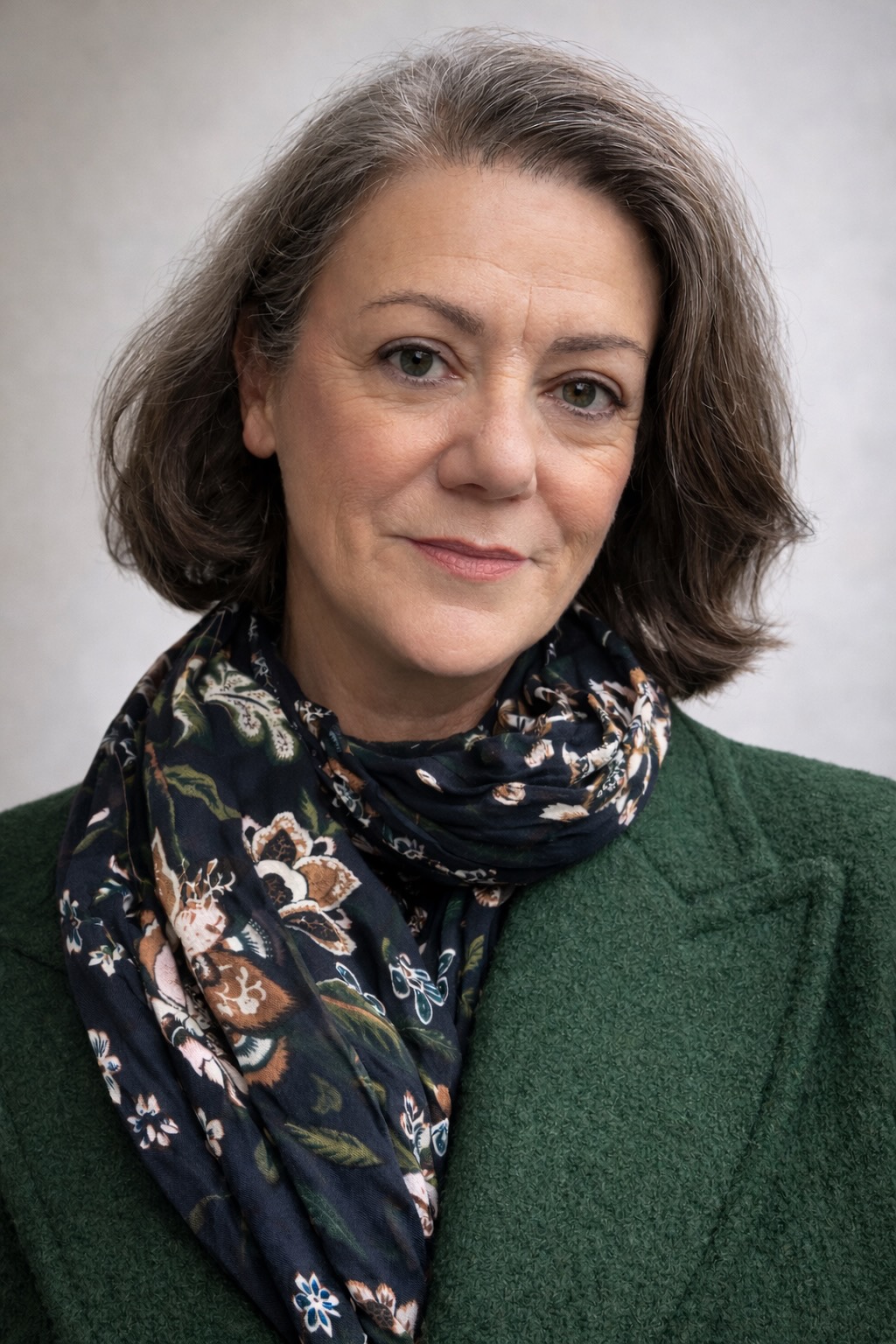
A Black American Composer and a ‘Lost’ French Opera
Candace Bailey
Professor of Music, North Carolina Central University
Friday, September 25 at 3:30 p.m.
Ruane Center for the Humanities 105
As a Black composer in the United States and France, Edmond Dédé (1827-1901) had always been the Other throughout his life, and when a man in that position wrote an opera about Otherness, it is no surprise that he should choose to expose the fallacy of how western musical establishments viewed and treated him. In his only opera, Morgiane, the composer introduces the Arabs as Self and the Persians as Other and, in the end, deconstructs the Whiteness-centered hierarchy of morality based on race.
Dédé’s notion of identity had been fashioned in relation to his lived experiences in postcolonial New Orleans, in postwar Mexico, and in France, as well as his travels to Algiers, Portugal, and Marseilles. He could authoritatively ask who is Self and who is Other in his immediate world of 1880s Bordeaux. In Morgiane, Dédé confronts the naïve bifurcation of white and black, of African and European, and resists hegemonic power by writing an opera in the style of a white French composer and infusing it with characteristics of his own multiracial experiences.
Read more about this event.
Candace Bailey
October 2, 2026
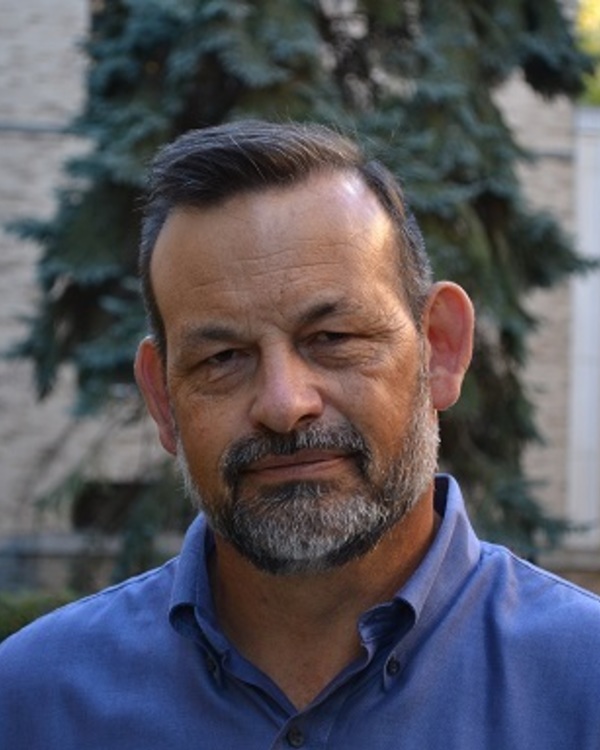
J.R.R. Tolkien and the Stained Imagination
a conversation with David O’Connor
Professor of Philosophy and Classics at the University of Notre Dame
Friday, October 2 at 3:30 p.m.
Ruane Center for the Humanities 105
Read more about this event.
David K. O’Connor is a faculty member in the departments of Philosophy and of Classics at the University of Notre Dame. His teaching and writing focus on ancient philosophy, aesthetics, ethics and politics, and philosophy of religion. Dr. O’Connor is an acclaimed teacher and lecturer. His online lectures on love and sexuality have reached a wide international audience, and are the basis of his two recent books, Love is Barefoot Philosophy (in Chinese translation, 2014) and Plato’s Bedroom: Ancient Wisdom and Modern Love(2015). He has also published extensively on the relation between philosophy, art, and literature, in both the ancient and the modern world.
October 16, 2026
St. Albert the Great Lecture in Science and Humanities (in honor of Louis Verza)
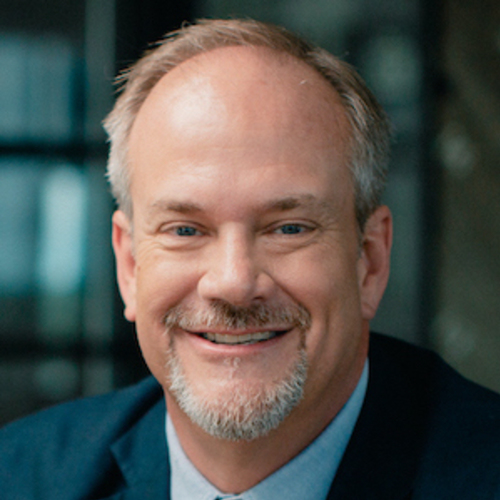
Ritual Isolation: Digital Culture and the Essence of Being Human
Christopher Baglow
Professor of the Practice, Theology at the University of Notre Dame
Friday, October 16 at 3:30 p.m.
Ruane Center for the Humanities 105
Evolutionary psychology has revealed that ritual behavior in animals played an essential part in the evolutionary history of human beings. It is at the root of everything we do. In the liturgy, grace builds on nature, turning the evolutionary advantage of human ritual behavior into the forming of the supernatural cooperative community that is the Mystical Body of Christ. After a brief survey of the evolution of ritual, Chris Baglow will explore the link between disaffiliation (on the one hand) and radical traditionalism (on the other) as opposite reactions among young people to the isolation that is intrinsic to digital culture, and the attunement of the body in liturgical prayer as a pressing need of the present ecclesial moment.
Read more about this event.
Chris Baglow leads the McGrath Institute for Church Life Science & Religion Initiative at the University of Notre Dame through creating programs, courses, talks, and publications that bring the Catholic faith and modern science into dialogue. His work is the culmination of 21 years of faith and science scholarship, publication and educational program creation, as well as a lengthy career in Catholic theological education spanning high-school, undergraduate, graduate and seminary teaching. in 2018. He was co-recipient of an Expanded Reason Award in Teaching from the Universidad Francisco de Vitoria (Madrid) and the Vatican Joseph Ratzinger Foundation (Rome) in 2018. He is the author of Faith, Science and Reason: Theology on the Cutting Edge (2nd edition, Midwest Theological Forum, 2019, 3rd edition pending) and Creation: A Catholic’s Guide to God and the Universe (Ave Maria Press, 2021).Baglow was recently elected as Vice-President of the Academy of Catholic Theology, and serve on the Board of the Society of Catholic Scientists.
October 23, 2026
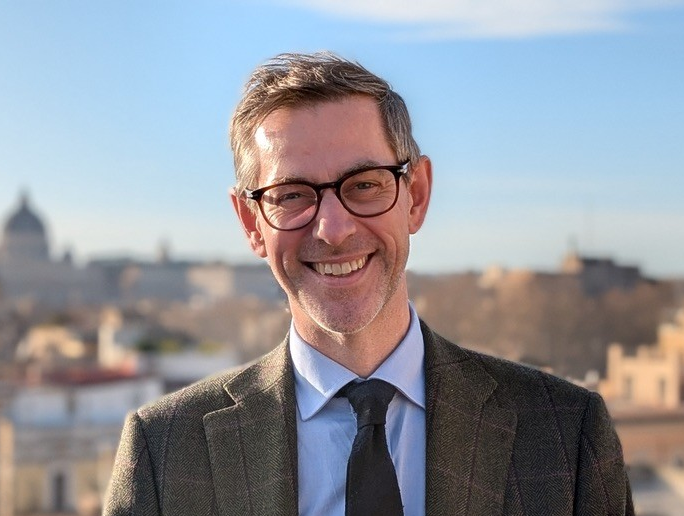
Happiness in a Palliative Age
a conversation with R.J. Snell
Academic Director for the Witherspoon Institute
Friday, October 23 at 3:30 p.m.
Ruane Center for the Humanities 105
Read more about this event.
R. J. Snell, Ph.D., is director of academic programs and editor-in-chief of Public Discourse for the Witherspoon Institute in Princeton, NJ. Prior to joining Witherspoon, he was professor of philosophy at Eastern University and a member of the faculty for the Templeton Honors College. He is the author or editor of eight books and hundreds of essays for a variety of scholarly and popular journals. He has been visiting instructor at Princeton University and has lectured at dozens of universities in the United States and Europe. He and his family reside in the Princeton area.
October 30, 2026
In collaboration with the C.S. Lewis Fellowship
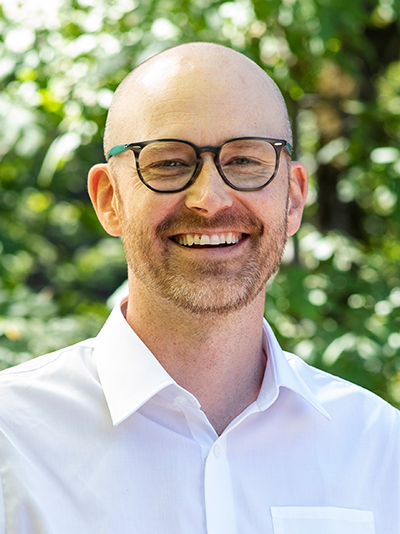
Aslan’s Mother: Brilliance and Blind Spots in C.S. Lewis’s Theology of Love
Jason Lepojärvi
C.S. Lewis Associate Professor of Theology & Literature at George Fox University
Friday, October 30 at 3:30 p.m.
Ruane Center for the Humanities 105
When we give to people what is due to God, our love becomes a form of idolatry. But what exactly is the difference between proper human love, veneration, worship, and idolatry? C.S. Lewis develops two brilliant principles of love in his theological works and illustrates them in this literary works—but, curiously, he does not apply them consistently.
Read more about this event.
Jason Lepojärvi (pronounced “Leh-poh-yar-ve“) is the C.S. Lewis associate professor of theology & literature in the George Fox University Honors Program. A renowned scholar of C.S. Lewis internationally, he worked previously as a lecturer in theology and literature at Davenant Hall. His first book The Body as the Image of God: Pope John Paul II’s Theology of the Body (in Finnish, Ruumis Jumalan kuvana: Johannes Paavali II:n ruumiin teologia, 2012) is a study of Christian anthropology and sexual ethics.
His other scholarship on theology, philosophy, literature, ethics, and politics have appeared in Harvard Theological Review, Religious Studies, and Politics and Religion, among other journals, and is freely available here. In a more popular vein, his Essays on Love (in Finnish, Perjantailahja – esseitä rakkaudesta, 2021) is a study of love in literature and in our everyday relations. You can also find Dr. Lepojärvi on YouTube here.
A native of both Finland and Canada, Dr. Lepojärvi lives in Newberg with his wife, Iisa, and their four children, Evelyn, Leona, Kalevi, and Walter. He enjoys motorcycling, hunting, and road trips.
November 6, 2026
In collaboration with the Theology Department and the Center for Catholic and Dominican Studies.
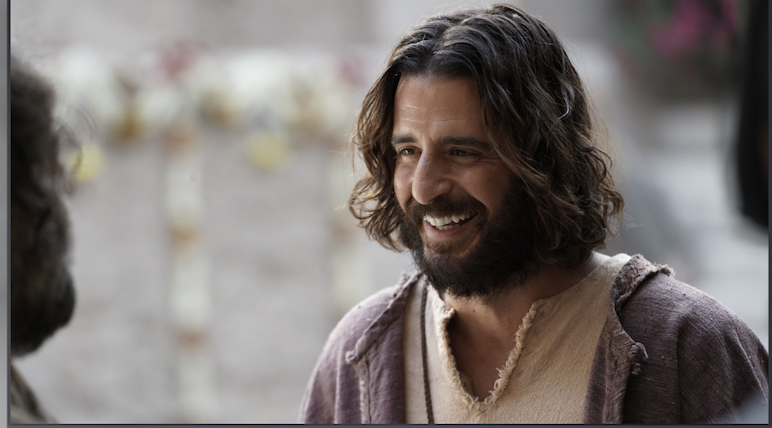
What Should Catholics Think of The Chosen
a panel discussion
Friday, November 6 at 3:30 p.m.
Ruane Center for the Humanities 105
Since its release in 2019, the multi-series television show The Chosen has received wide popular acclaim for its dramatic portrayal of the ministry of Jesus and his closest disciples and for its high cinematic quality. Written and directed by evangelical Protestants, the show nonetheless strives to appeal to all Christian confessions, with a Catholic priest serving on its board of theological advisors. But the show is not without its detractors, including some Catholics who, among other things, object to the way the show “makes real,” humanly speaking, Jesus and the apostles, such as giving Jesus a sense of humor and, according to them, making him overly relatable to a contemporary audience. On the other hand, many Catholics, including professional theologians, consider themselves “fans” of the show, even if they have some criticisms. All of which leads to ask: what are Catholics to think of The Chosen? Is it “Catholic friendly” or is it problematic from a Catholic point of view? The Humanities Forum panel discussion, which will kick off a conference devoted to this topic and which will extend throughout the entire day on Saturday, November 7 (a week before the release of season six), will seek to answer these questions in an informed and engaging manner. The panelists will be among the presenters of the conference, all of whom are Catholic theologians who overall appreciate the show for its biblical and artistic achievement.
Read more about this event.
November 13, 2026
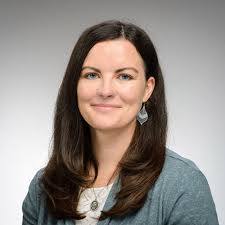
The Genesis of Gender
Abigail Favale
Professor of the Practice, Theology & Literature at the University of Notre Dame
Friday, November 13 at 3:30 p.m.
Ruane Center for the Humanities 105
The question of gender—who we are as men and women—has never been more pressing, or more misunderstood.
Weaving personal experience with expert knowledge, Dr. Abigail Favale provides an in-depth yet accessible account of the gender paradigm: a framework for understanding reality and identity that has recently risen to prominence. Favale traces the genealogy of gender to its origins in feminism and postmodern thought, describing how gender has come to eclipse sex, and how that shift is reshaping language, law, medicine, sexuality, and our own self-perceptions.
Read more about this event
Abigail Favale, PhD, is a professor in the McGrath Institute for Church Life at the University of Notre Dame and the author of several books, including The Genesis of Gender: A Christian Theory, which has been translated into seven languages. Her essays and stories have appeared in many publications, and her most recent book is the novel Our Lady of the Sign.
November 21, 2025
In collaboration with the School of Nursing and Health Sciences
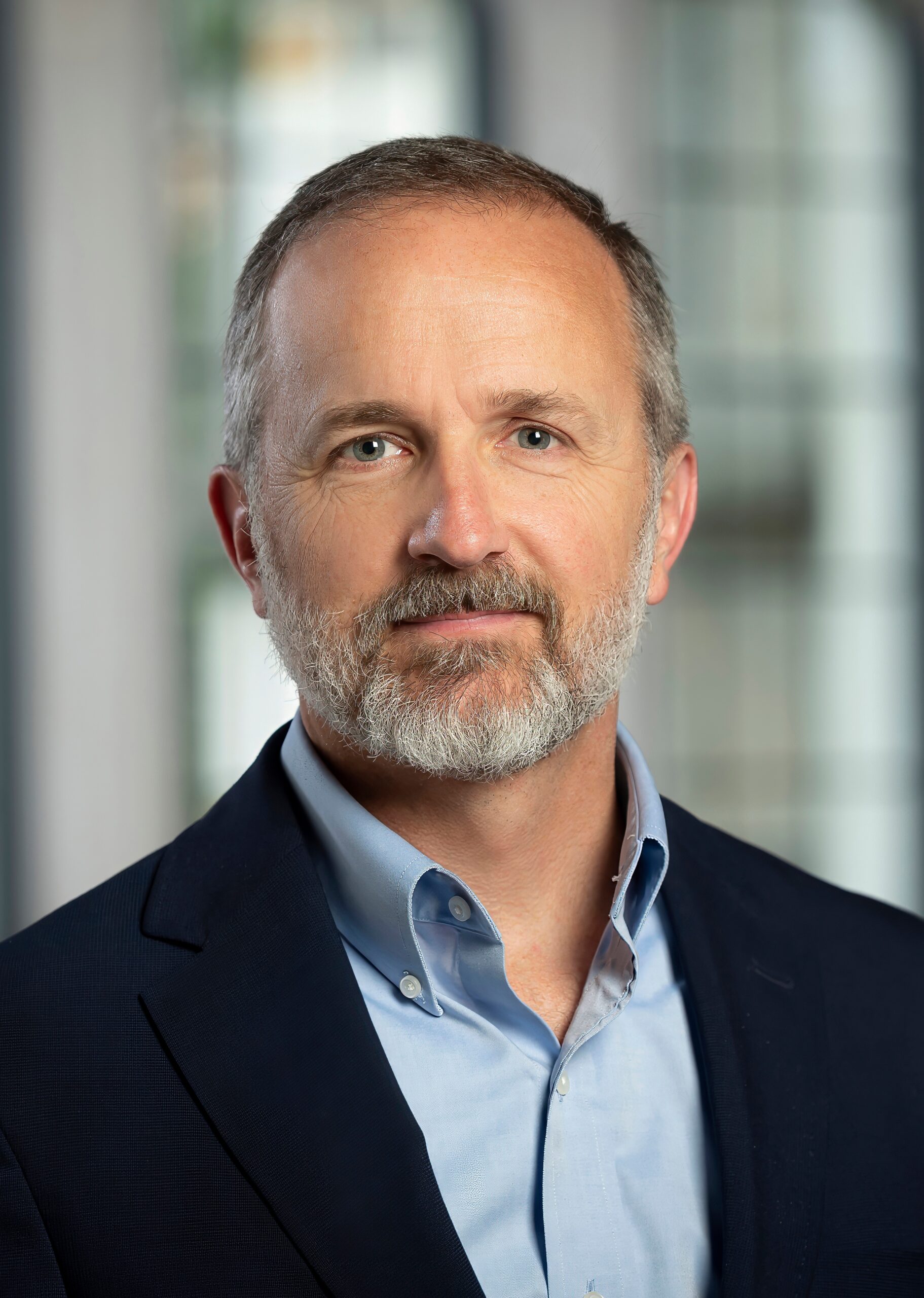
Doctors Helping Patients to Die: What Could Possibly Go Wrong?
Farr Curlin
Professor of Medical Humanities at Duke University
Friday, November 20 at 3:30 p.m.
Ruane Center for the Humanities 105
“Medical aid in dying” (MAiD) promises to help patients to die on their own terms, free from unwanted suffering. In this talk, Dr. Farr Curlin will consider and critique the movement for doctor-assisted death. He’ll argue that MAiD depreciates and undermines patience with human suffering and limitations, that it corrupts and erodes public trust in the medical profession, and that it purchases yet another entitlement for the privileged at the cost of solidarity with those made vulnerable by illness and disability. Dr. Curlin will propose how medical practitioners can and should help patients who are dying, while they must resist helping patients to die.
Read more about this event.
Farr Curlin, MD, is Josiah Trent Professor of Medical Humanities in the Trent Center for Bioethics, Humanities, & History of Medicine and Co-Director of the Theology, Medicine and Culture Initiative (TMC) at Duke University. Dr. Curlin has worked to bring attention to the intersection of medicine, ethics, and theology. In 2012 he helped to found both the University of Chicago’s Program on Medicine and Religion and the annual Conference on Medicine and Religion. Since 2015, through Duke Divinity School’s TMC Initiative, he and colleagues have brought graduate theological training to those with vocations to health care. Starting in 2023, Dr. Curlin also is working with colleagues across North America to develop the Hippocratic Society, an association whose mission is forming clinicians in the practice and pursuit of good medicine. He is co-author, with Chris Tollefsen, of The Way of Medicine: Ethics and the Healing Profession (Notre Dame University Press, 2021), as well as more than 150 articles and book chapters addressing the moral and spiritual dimensions of medical practice.
December 4, 2026
Sponsored by a grant from the Lynde and Harry Bradley Foundation
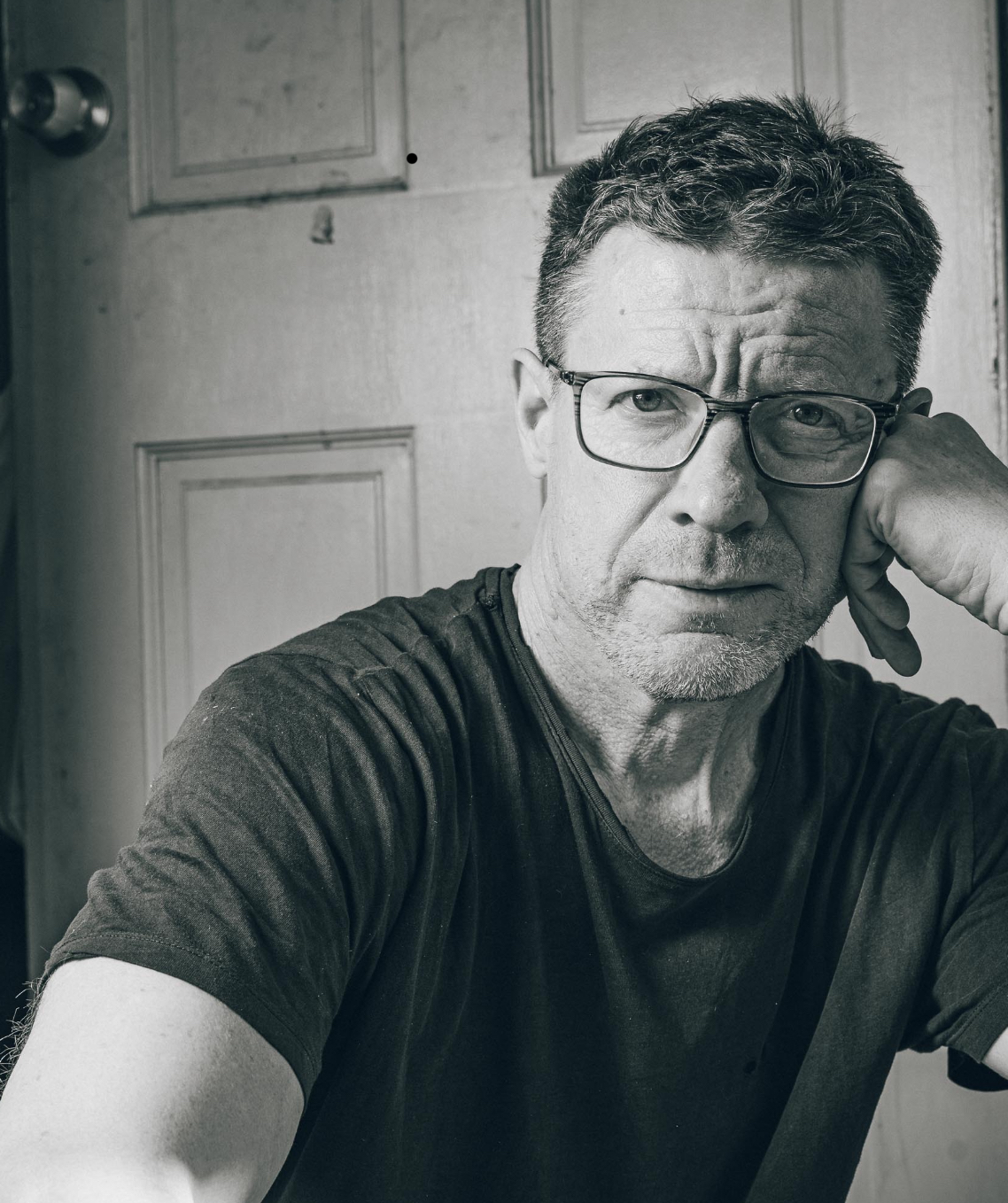
“Should Christians Acquiesce to the Colonization of Europe?”
Matthew Crawford
Author
Friday, December 11 at 3:30 p.m.
Ruane Center for the Humanities 105
In the decades since World War II, Christian thought has neglected the goods that are secured by the political form of the bounded nation. This has led to a deepening political crisis in Europe. How should Christians think about mass immigration? What are the limits of hospitality? Is Christian love distinguishable from secular humanitarianism? These questions point to a further issue: do the newly assertive, distinctly masculine energies of the new Right properly have a place in Christian thought and practice?
Read more about this event.
Matthew B. Crawford is a Senior Fellow at the University of Virginia’s Institute for Advanced Studies in Culture. He majored in physics as an undergraduate, then did his PhD in the history of political thought at the University of Chicago. A New York Times best-selling author, his books have been translated into 13 languages. His shorter writings have appeared in First Things, Unherd, Compact, The New York Times, Wall Street Journal, American Affairs, The New Atlantis, Le Monde, Le Figaro, The Sunday times of London, and many other publications. He writes the Substack Archedelia: Toward a political philosophy of the present.
December 11, 2026
Sponsored by a grant from the National Endowment for the Humanities
A Conversation with Harvey Mansfield
William R. Kenan Jr. Professor of Government, Emeritus, at Harvard University
Friday, December 11 at 3:30 p.m.
Ruane Center for the Humanities 105
Read more about this event.
Past Forums
- Spring 2026
- Fall 2025
- Spring 2025
- Fall 2024
- Spring 2024
- Fall 2023
- Spring 2023
- Fall 2022
- Spring 2022
- Spring 2021
- Fall 2021
- Spring 2021
- Fall 2020
- Spring 2020
- Fall 2019
- Spring 2019
- Fall 2018
- Spring 2018
- Fall 2017
- Spring 2017
- Fall 2016
- Spring 2016
Forum Leadership
Iain Bernhoft, Humanities Forum Coordinator
Humanities Forum Committee:
- Patrick Breen, Department of History
- Alison Caplan, Department of Foreign Language Studies
- Dana Dillon, Departments of Theology and Public and Community Service Studies
- Jennifer Illuzzi, Director of the Development of Western Civilization; Department of History
- James Janecek, Department of Art and Art History
- James Keating, Department of Theology and Director of the Humanities Program
- Patrick Macfarlane, Department of Philosophy
- Michael Mathes, Department of Economics and Associate Director of the Honors Program
- Erin Schmidt, Department of Theatre, Dance, and Film
- Rev. Jordan Zajac, O.P. ’04, Department of English
Contact
Dr. James F. Keating
Humanities Program Director
St. Catherine of Siena Hall 224
401.865.1349
Dr. Raymond F. Hain
Humanities Program Associate Director
Ruane 231
401.865.2477
Humanities Forum